How to Plan a Stress-Free Gutter Installation in Hackettstown
A gutter project looks simple from the driveway. Long channels along the roofline, a few downspouts, maybe a crew in and out in a day. Then real life steps in. Someone realizes the fascia is soft. The old downspouts empty onto a walkway that ices over every winter. A low roof over the porch needs a different bracket. The installer asks where the discharge should go, and nobody has decided. Stress usually starts there, not with the gutters themselves, but with the details that were left fuzzy until the truck arrived.
That is especially true in Hackettstown, where homes range from older colonials and capes to newer subdivisions, each with its own drainage quirks. Some lots are flat and hold water. Others pitch just enough that a misplaced downspout can wash out a flower bed or send runoff toward a foundation wall. Add the freeze-thaw swings common in northwestern New Jersey, heavy summer rain, and plenty of leaf debris in tree-lined neighborhoods, and a basic installation turns into a planning exercise that rewards careful decisions.
A stress-free gutter installation in Hackettstown is not about overcomplicating the job. It is about handling the practical questions before the first section goes up. When you do that, the project stays on schedule, the crew can work efficiently, and the finished system actually solves the problems you hired it to fix.
Start with the real problem, not the product
Homeowners often begin by asking what material to choose, aluminum or copper, five-inch or six-inch, sectional or seamless. Those are good questions, but they come second. First, identify what the gutters need to do on your house.
If you have overflowing sections during hard rain, the issue may be undersizing, poor pitch, too few downspouts, or clogged valleys dropping too much water into one run. If you see water pooling near the foundation, the gutters themselves may be fine, but the downspout extensions are too short or pointed the wrong way. If ice builds near the front steps, that can come from roof melt patterns and discharge placement as much as from the gutters.
I have seen homeowners replace an entire system when the real failure was drainage at grade. I have also seen new gutters installed beautifully, only to stain within a season because the shingles dripped grit onto an area that lacked enough slope. The lesson is simple: define the symptom, then trace it back. A contractor can only propose the right system if the conversation starts with what is happening during rain, after rain, and in winter.
Walk the property after a storm if you can. Look at where water spills over, where mulch washes away, where puddles stay a day later, and where the soil has settled near the house. Those clues matter more than a brochure.
Why Hackettstown homes need a little extra planning
Hackettstown is not one-size-fits-all. Older homes often have rooflines that were altered over time, additions, dormers, porches, garages attached after the original build. Every transition changes how water concentrates and where gutters should catch it. Newer homes may look more straightforward, but they can have long runs that collect a surprising amount of roof area, especially over rear elevations where homeowners rarely stand during a storm.
Tree cover is another local factor. If your property backs up to mature maples or oaks, leaf load can shape the entire installation plan. That does not automatically mean you need guards, but it does mean you should talk about cleanout access, downspout sizing, and the reality of maintenance. A guard system that works well under pine needles may behave differently under broadleaf debris that mats together.
Winter matters too. Gutters do not prevent ice dams on their own, and any contractor who suggests otherwise is overselling. Ice dams relate more to attic insulation, ventilation, and heat loss through the roof. But gutter design still plays a role in how meltwater exits and whether it refreezes where people walk. In Hackettstown, where cold snaps can follow a thaw quickly, discharge points deserve more attention than they usually get.
Choose timing that works for the house, not just your calendar
Many homeowners try to squeeze gutter replacement into the first open week they have. That can work, but the best timing depends on roof condition, tree shedding, and whether other exterior work is planned.
If the roof is nearing replacement, do the roof first. Installing new gutters only to remove and reinstall them later is frustrating and expensive. If siding, fascia, or soffit repairs are pending, handle those before the gutter job is finalized. Gutters attach to parts of the house that must be solid and straight. A clean install on damaged wood is never really clean, just temporary.
Late spring through early fall is the busiest period for Gutter Installation, and with good reason. Crews have longer daylight, fewer weather delays, and easier access conditions. That said, busy season can also lead to rushed decisions if you call after the first major overflow of the year. If you know your current system is failing, start planning before peak demand. A calmer schedule tends to produce better communication and more flexibility for custom fabrication.
For homes with heavy leaf fall, it often makes sense to install before autumn debris ramps up, provided the roof and fascia are ready. That gives the system a chance to handle the wettest leaf season without asking an old, sagging run to survive one more year.
Get clear on materials and what each one really means
Most Gutter Installation Hackettstown projects end up with seamless aluminum, and for many houses that is the right call. It is practical, widely available, reasonably durable, and can be color-matched to trim. But practical does not mean automatic.
Aluminum is light and resistant to rust, though it can dent if it takes a ladder hit or a heavy branch. Thicker gauge material tends to Gutter Installation Hackettstown hold shape better, which matters on longer runs and homes exposed to snow slide from upper roofs. The difference may not be dramatic from the street, but it can show up over years of use.
Copper has undeniable curb appeal and long life when installed correctly, but it is a premium choice and not just because of the material cost. It changes the visual character of the house. On some historic or high-end homes, that patina becomes an asset. On a modest home with standard trim details, it can feel out of proportion to the rest of the exterior. There is nothing wrong with wanting copper for beauty alone, but the choice should be deliberate.
Vinyl shows up less often in professional installations around this area, partly because temperature swings can be hard on joints and fasteners over time. For detached sheds or very tight budgets, it may be acceptable. For a primary residence that sees real seasonal stress, many contractors steer clients toward metal for good reason.
Size matters more than many homeowners expect. Five-inch gutters are common and often adequate. Six-inch systems provide more capacity and can be worth it on roofs with steep pitches, large planes, concentrated valley discharge, or a history of overflow. The best installers do not push larger gutters as a universal upgrade. They explain where the extra capacity helps and where it is unnecessary.
Seamless is not a cure-all, but it usually helps
Seamless gutters have fewer joints, which means fewer potential leak points. That is the main advantage, not some magical increase in lifespan. They also tend to look cleaner on the house because long stretches run continuously rather than pieced together from shorter sections.
That said, seamless does not remove the need for proper pitch, secure fastening, and sensible downspout placement. A badly planned seamless system can underperform just as reliably as a badly planned sectional one. The benefit is real, but it depends on the crew measuring accurately and fabricating on site with care.
For most homes in Hackettstown, seamless aluminum installed by a reputable local contractor strikes the right balance between performance, appearance, and cost. It is not glamorous, but a lot of successful exterior work is simply good judgment applied consistently.
The contractor matters more than the gutter profile
Homeowners sometimes spend hours comparing product specs and very little time comparing how different companies think through drainage. That is backwards. A skilled installer can get strong results from standard materials. A careless crew can waste premium ones.
Good gutter contractors notice details quickly. They look up at roof valleys, not just along the fascia. They ask where basement seepage occurs. They check whether splash blocks make sense on your lot or whether buried drain lines would serve you better. They mention the condition of Gutter Installation Hackettstown the fascia if it looks soft or uneven. They explain how they will secure runs on long elevations and how they will handle corners, upper roof discharge, and leader placement near walkways.
One thing I always watch for is whether the estimator spends time at grade. If someone only stares at the roofline and never walks the perimeter, they may be thinking about hanging gutters, not managing water. Those are related jobs, but they are not the same.
Ask direct questions before signing anything:
- Will you inspect the fascia and let me know if repairs are needed before installation?
- How do you determine gutter size and downspout placement for this roofline?
- Where will each downspout discharge, and how far from the foundation will water end up?
- Who will perform the work, your crew or a subcontractor?
- What happens if weather delays the project after old gutters are removed?
That short conversation often tells you more than a polished sales presentation.
Do not treat the estimate as a price tag only
A useful estimate should describe scope, not just cost. It should identify material type, whether the gutters are seamless, approximate size, downspout count, color, removal of existing gutters, and how debris will be handled. If leaf protection is included, the brand or style should be specified. If fascia repair is excluded, that should be stated plainly, especially if the existing condition is uncertain.
This is where stress often enters the project. One homeowner assumes downspout extensions are part of the job. The contractor assumes they are not. Someone expects hidden hangers at a certain spacing. The contract is silent. None of these are dramatic disputes, but each can sour what should have been a straightforward day.
Compare estimates by scope first, price second. The lowest number can be fair, but it can also be missing pieces. On the other hand, the highest number is not automatically better thought out. Read line by line. If two proposals look very different, ask each contractor to explain why.
Plan the drainage path beyond the downspout
This is the part many homeowners skip, and it is the part that most often determines whether they are happy a year later.
A downspout that empties right beside the house is not a finished drainage solution, even if the gutter above it is perfect. Water needs a path away from the foundation, away from basement walls, and ideally away from walkways that freeze in winter. On some properties, a simple extension does the job. On others, it creates a trip hazard or dumps water into a low area that stays muddy for days.
If your lot allows it, directing runoff onto a gentle slope can work well. If space is tight, a buried line may be cleaner and safer, provided it has proper pitch and a discharge location that actually functions. Dry wells can help in some settings, though performance depends heavily on soil and site conditions. A contractor who installs gutters may not handle underground drainage, so decide early whether a second trade is needed.
I once visited a house where the owner was unhappy with a recent Gutter Installation because the flower beds along the front porch kept eroding. The gutters were fine. The problem was that both front downspouts discharged into freshly mulched beds with nowhere for the water to go. A small adjustment in routing would have prevented the complaint entirely. The installation was technically complete, but the planning was not.
Prepare the site so installation day feels easy
Stress drops sharply when the house is ready before the crew arrives. This is less about cleaning for guests and more about giving installers safe, unobstructed access. Ladders need stable placement. Fabrication equipment needs a workable driveway or curbside setup. Downspout locations should not be blocked by stacked firewood, patio furniture, or dense plantings you care about.
A simple prep list helps:
- Move vehicles away from the work area and clear the driveway if possible.
- Take down fragile decorations, string lights, or hanging baskets near the roofline.
- Trim back shrubs that block ladder access to corners and downspout locations.
- Mark sprinkler heads, invisible dog fence lines, or buried drains the crew should avoid.
- Keep pets and children inside or well away from the work zone.
Those small steps prevent last-minute scrambling and reduce the chances of accidental damage.
Expect some surprises on older homes
If your house is several decades old, build flexibility into your expectations. Once old gutters come off, hidden issues can appear. Fascia boards may be rotted behind a leaking seam. The roof edge may be uneven from earlier repairs. A previous owner may have patched sections in ways that only become visible during removal.
This does not mean you should brace for disaster. Most surprises are manageable if everyone expects the possibility. The key is to ask ahead of time how change orders are handled. Will the crew stop and show you the issue? Can they perform basic wood replacement, or will that require a carpenter? Is there an hourly rate or unit price for minor repairs?
A calm answer to those questions is a good sign. So is a contractor who does not pretend surprises never happen.
Think carefully about gutter guards
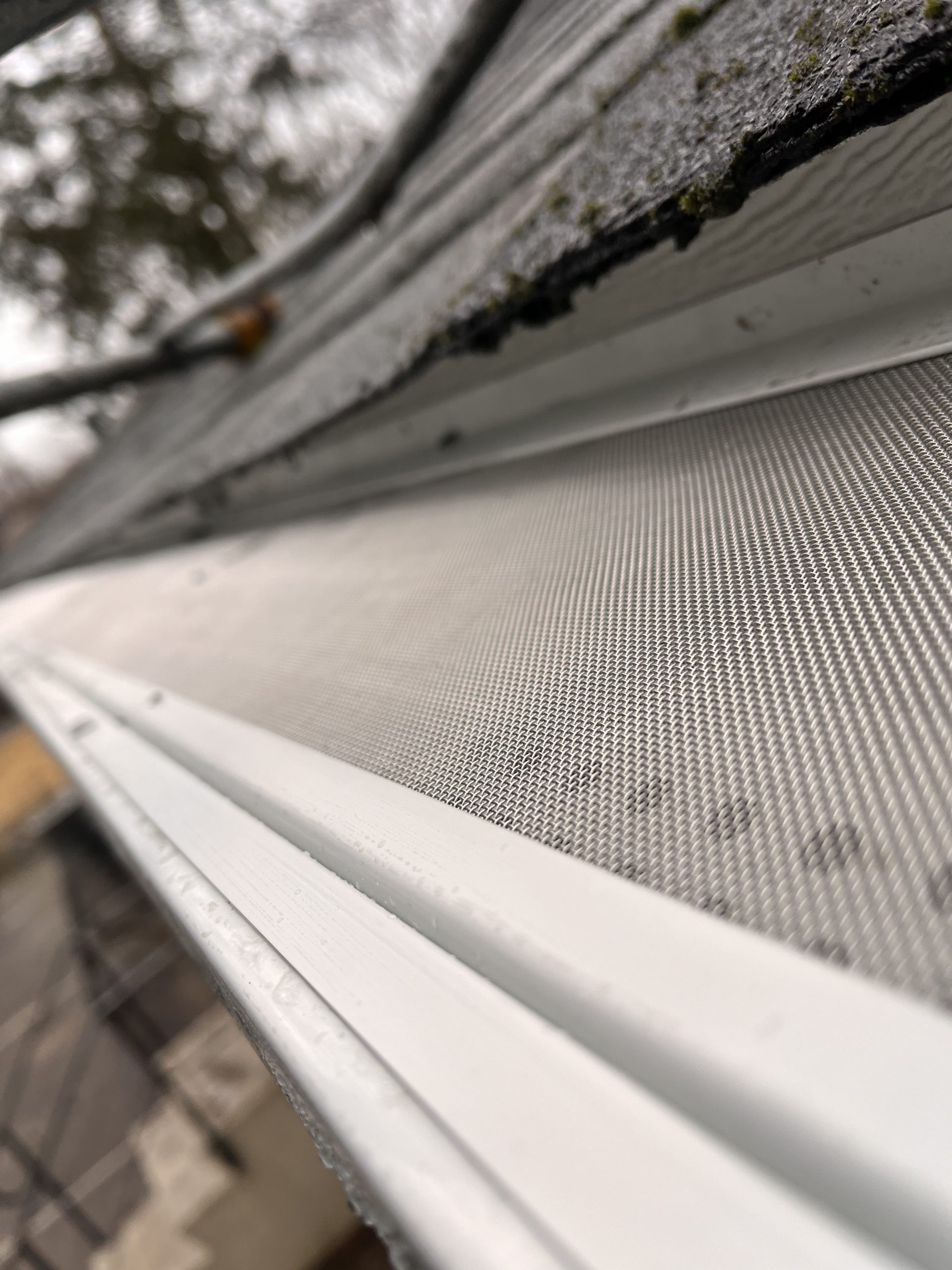
Gutter guards are one of the most oversimplified parts of the discussion. They can reduce cleaning frequency, but they do not make a gutter maintenance-free. Performance depends on roof pitch, debris type, surrounding trees, and the specific guard design. Fine mesh systems can work very well under certain conditions. Surface-tension styles can struggle if debris is heavy or if installation angles are not precise. Some guards keep leaves out but still allow shingle grit to accumulate over time.
For a home in Hackettstown with significant tree cover, guards may be worth the investment. For a house with minimal debris, they may offer limited value compared with periodic cleaning. The right question is not, “Are gutter guards good or bad?” The right question is, “What problem are they solving on this property, and what maintenance will still remain?”
A trustworthy contractor will give you a nuanced answer. A salesperson chasing an add-on may not.
Communication keeps the project from becoming stressful
Even a one-day job benefits from a clear communication plan. Know when the crew expects to arrive, whether someone needs to be home, where materials will be staged, and who will make decisions if a field adjustment is needed. If you have strong preferences about downspout visibility, side-yard discharge, or color matching, say so before installation begins, not halfway through.
Photographs can help here. During the estimate stage, point out the areas that concern you most. If basement seepage happens on one corner, show that location. If one downspout currently dumps onto a walkway and you hate it, mention it explicitly. Installers are good at solving problems they know about. They are not mind readers.
After installation, walk the job with the contractor if possible. Look at seams, end caps, corners, downspout attachment points, and the final discharge path. Ask where you should expect water to move during a hard rain. That quick review gives you confidence and catches misunderstandings while the tools are still on site.
Budget for value, not just for completion
The cost of Gutter Installation varies with house size, complexity, material, height, accessibility, and drainage needs. A single-story ranch with straightforward lines will not price like a multi-level home with porches, dormers, and buried leader extensions. That is normal. What matters is whether the money is solving the right problems.
Sometimes the smartest budget choice is not the cheapest system, but the one that prevents recurring repairs to landscaping, fascia, basement walls, or icy walkways. Other times, homeowners overspend on premium materials while ignoring grade drainage that would have delivered more practical benefit.
If the estimate feels high, ask what is driving it. Taller ladder work, custom color, additional downspouts, fascia repairs, and underground drainage all change the number. A good contractor should be able to walk you through those variables without defensiveness.
What a successful project looks like a month later
The true test of a gutter job is not the day it is installed. It is the first heavy rain, the first storm with wind, the first week of autumn debris, and the first winter thaw. A successful installation does not call attention to itself. Water moves where it should. Soil stays in place. Basement concerns do not worsen. The front walk is not turned into a skating strip because a downspout was aimed carelessly.
That kind of result usually comes from planning that felt almost boring at the time. Good measurements. A realistic schedule. Straight answers about materials. Clear discharge decisions. A crew that notices details. Homeowners often remember exterior projects for the mess or the confusion. The best Gutter Installation Hackettstown jobs are memorable for the opposite reason. They happen with very little drama because the important choices were made before the ladders went up.
If you are preparing for Gutter Installation in Hackettstown, think like a water manager first and a product shopper second. That shift alone removes a surprising amount of stress. It puts the project on practical footing, gives your contractor the information needed to do the job well, and helps ensure the finished system performs in the weather your home actually sees. When that happens, gutters stop being a nuisance line item and become what they are supposed to be, a quiet piece of infrastructure doing its job every time it rains.
Just Gutters LLC
Address: 262 Main St, Hackettstown, NJ 07840
Phone number: +12013319454
FAQ About Gutter Installation Hackettstown
Can I install a gutter myself?
Yes, you can install gutters yourself. DIYers typically use aluminum or vinyl sections from home improvement stores. The project requires basic tools, precise measuring, and comfort working on ladders. Key steps include snapping a chalk line for a slight slope (1/4 inch per 10 feet toward downspouts), securing hangers every 2 feet, and caulking all joints securely.
How much does body contouring usually cost?
The Home Depot typically charges between $1,000 and $3,600 for a standard professional gutter installation on a typical single-family home with 200 linear feet of gutters. Calculated on a per-foot basis, the cost usually ranges from $5 to $18 per linear foot, highly dependent on the material you select.
How much does a 40 ft seamless gutter cost?
A 40 ft seamless gutter run will cost between $240 and $1,120+ fully installed, depending on the material you choose. Because seamless gutters require specialized on-site fabrication machines, they are rarely sold as DIY kits and are priced per linear foot.